
Upon crossing the waters, the processional ascends the shrine hill. These areas are sacred and should not be profaned with debris, human waste, or negative behaviors and energies. The processional is greeted by the ceremonial drummers. The fires burn before the Nyame Dua, which represents the presence of Onyankopon of the Akan, Myonmo of the Ga, Mawu of the Ewe, Olorun of the Yoruba, Chuku of the Ibo, Ra/Neter of the Kemites, Inkosi of the Zulu, etc. The Nyame Dua (literally “God’s Tree”) represents the omnipotence of the Creator, and our direct and immediate connection with the Creator. It is a common symbol throughout Afrika and is suggestive of the Ausarian tree of life.
Upon ascending the shrine hill, members of the processional should process around the circle, making brief prayers and presenting gifts at the portraits of the enshrined ancestors and at the Nyame Dua. Information about the enshrined ancestors and their blackened stools will be read aloud on the shrine hill.
Menstruating women are asked to refrain from movement within the circle (near the Nyame Dua and the portraits of the ancestors) on the shrine hill. Menstruating women should not touch the offerings for the shrines and deities/ancestors. This restriction is an ancient taboo that in no way diminishes the social and historical stature of women. It is simply a part of the tradition passed on to us. Menstruating women may have friends or relatives present offerings to the ancestors and deities.
-
Nana Yao Opare Dinizulu
-
Nana Mary McCLeod-Bethune
-
Nana Martin L. King, Jr.
-
Nana Yaa Asantewaa
-
Nana Ida B. Wells
-
Nana Omowale (Malcolm X)
-
Nana Harriet Tubman
-
Nana Otumfo Osei Tutu
-
Marcus Mosiah Garvey
-
Nana Sojourner Truth
-
Nana Nat Turner
-
Nana Fannie Lou Hamer
-
Nsamanfo Nana-nom
-
Okomfo Kwasi Panyin
Nana Yao Opare Dinizulu
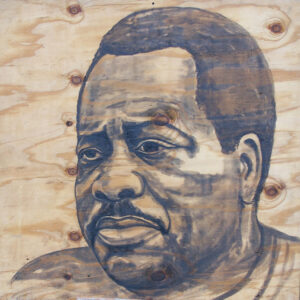
Ohene (Chief) and Okomfohene (Chief Priest) of Akans in American Diaspora
The first Afrikan born in the Americas to return to Afrika and bring the traditional shrines, implements and a comprehensive knowledge of the traditions to the Americas. He opened the way for the deities and ancestors of Afrika to manifest strongly in the Americas. He also established a strong and continuing connection with a traditional shrines among the Akan in Ghana. He created several organizations to teach the culture to Afrikans throughout the country. He was responsible for the formal training of the first Okomfo in the USA. He facilitated the work of Nana Oparebeah in the USA. Nana Yao was a man of vision and passion.
Visionary, Teacher, Institution-builder, Master Drummer and Okomfo
Nana Mary McCLeod-Bethune
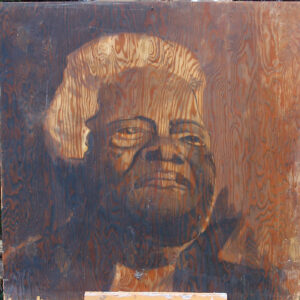
Educator and Organizer (Mmaremu Dwa)
Nana Mary McCleod-Bethune was an educator and organizer. She felt very strongly about her people and their well-being. She organized and built a teaching college and university for Afrikans in this country. She acted as a national spokeswoman for Afrikans in this country. She is good example of a strong mother, a strong and determined Afrikan woman who was committed to the well-being of her people.
Consummate Educator, Organizer, and Institution-builder
Nana Martin L. King, Jr.
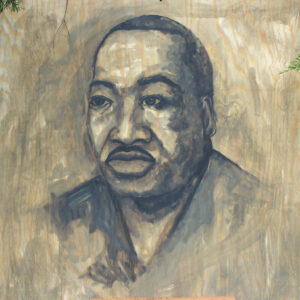
Orator, Philosopher and Organizer (Dwenini-mmen Dwa)
Nana Martin L. King Jr. was the leader of the Civil Rights movement in this country during the 1950s and the early 1960s. He is remembered for his courage in the face of non-Afrikan violence. He led the effort against racism and segregation. He believed in non-violence, but he was not intimidated by or fearful of violence. He believed strongly in righteous behavior and family. He was a very powerful speaker and people were always moved by his words. He was very strongly committed to his people.
Powerful Orator and Passionate Fighter for Justice and Righteousness
Nana Yaa Asantewaa
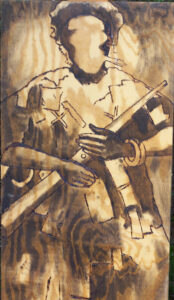
Queen Mother Nana Yaa Asantewaa
Nana Yaa Asantewaa, Queen Mother of Edweso, was a fearless warrior-queen. Nana Yaa Asantewa became the motivating force behind the Asante army at a time when many of the Asante chiefs were afraid to make war against the British. She galvanized the men to action against the British in response to their imprisonment of the Asante king, Nana Prempeh I and various heinous insults offered to the Asante nation. Nana Yaa Asantewa moved quickly, cutting telegraph wires and blocking routes to and from Kumasi where the British had a fort. For several months the Queen Mother led the Asante in battle, keeping the British pinned down. After repeatedly sending thousands of reinforcements to ward off their looming defeat, the British captured Nana Yaa Asantewaa and other Asante leaders through treachery and an advantage of ammunition. All were exiled, and Nana Yaa Asantewa died in exile. The war that she led is called the Yaa Asantewa War.
Warrior-queen, Nation-builder, Fearless Freedom Fighter
Nana Ida B. Wells
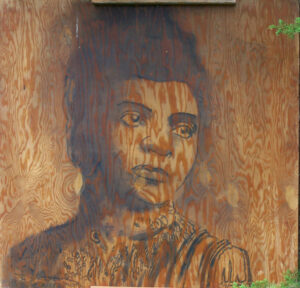
Warrior Mother (Akoma Dwa)
Nana Ida B. Wells is one of the best examples of the warrior-mother. She was forced to be the responsible mother for her younger siblings before she reached the age of 21. She organized, wrote pamphlets, and protested segregation as a young adult. She led the effort in this country to fight against the lynching of Afrikans by white mobs. She started organizations to help Afrikans to leave the southern US and find jobs and housing in the North. She helped start the NAACP and other organizations. She was a writer and speaker. She was also intensely devoted to her family. She never neglected her duties as a mother even as she organized and protested the racist treatment of Afrikans in this country. She is remembered for her fiery words and intense passion for her people. She is remembered for challenging the enemy of Afrikans wherever she encountered them.
Warrior Mother, Organizer, Tenacious Fighter for Justice and
Righteousness
Nana Omowale (Malcolm X)
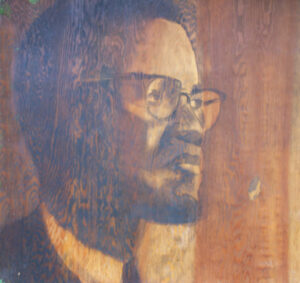
(Osebo Dwa)
Nana Omowale was a warrior-teacher, a devoted father, and a master strategist. He was a very passionate man. In his life he demonstrated how a man can experience the worst of times and still rise up against all odds and defeat those forces that seek to destroy him. Omowale taught Afrikans in this country and the Afrikan world what it meant to speak out and fight for real freedom. He was among the few and the first in this century to urge Afrikans to return to Afrika mentally if not physically. He promoted the study of Afrikan history. Omowale was one of the best examples of Afrikan manhood in this century. He is remembered for his courage, his devotion to family, and his sense of righteousness. He is remembered for his commitment to fight for the rights of his family and his people by any means necessary. Omowale is remembered for his courage and readiness to confront and challenge the enemy of Afrika at any time and place, never backing down.
Warrior builder and Teacher
Nana Harriet Tubman
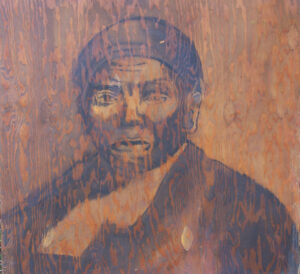
(Osebo Dwa -Right Facing)
Nana Harriet Tubman is one of the best examples of courage, tenacity and faith. She escaped slavery in the southern USA. She later returned many times to help hundreds of other enslaved Afrikans to escape to freedom in the North and in Canada. She was hunted but never caught, and she never lost any of those she guided to freedom. She was a cunning strategist and uncatchable. She is descended from a long line of akomfo (priests). Her example as a woman of great strength and courage has inspired many.
Warrior Akomfo, Liberator, Consummate Strong and Tenacious Afrikan Woman
Nana Otumfo Osei Tutu
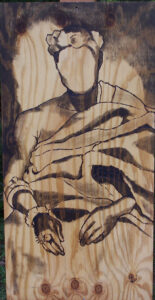
Osei Tutu was chief of the Kwaman (Kumase) state before becoming the founder and first king of the Asante nation. It was under his leadership that several Akan clans joined together against the Denkyira and became the Asante nation. The Golden Stool descended from heaven and came to rest on Osei Tutu’s knees, signifying his designation as king by the gods. The Golden Stool become a sacred symbol of the nation’s soul, which was especially appropriate since gold was the prime source of Asante wealth.
During Osei Tutu’s reign, the geographic area of Asante tripled in size. Many of the laws of the kingdom were instituted during his reign. The Odwira Festival was instituted by him after the defeat of the Denkyira oppressors. The kingdom became a significant power that, with Nana Osei Tutu’s military and political prowess as an example, would endure for two centuries.
Warrior, Nation-builder, Visionary
Marcus Mosiah Garvey
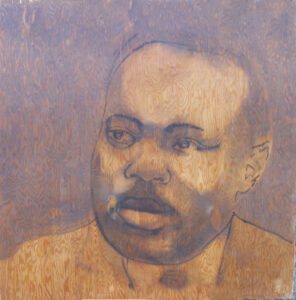
The Honorable Marcus Mosiah Garvey
Visionary, Leader, Warrior-builder, Organizer (Nyansapow Dwa)
The Honorable Marcus Mosiah Garvey was descended from the Akan Maroon fighters of Jamaica. His vision of an independent and united Afrikan world has inspired generations of freedom fighters. He organized the largest organization of Afrikans in recent history. The UNIA had over three million members. He is the one of the best examples of a visionary, organizer, and builder in our hisitory. He was also known as a brilliant and impassioned orator/speaker who inspired the respect of millions, including his enemies. His vision and his work gave hope to tens of millions of Afrikans worldwide at a time when the Europeans had defeated almost all independent Afrikans states at the beginning of the twentieth century.
Warrior-builder, Afrikan World/Race Leader and Stateman, Nationbuilder, Powerful Orator, Visionary
Nana Sojourner Truth
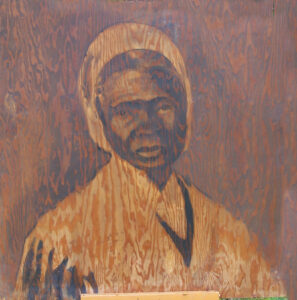
Nana Sojourner Truth
Teacher, Herald, Warrior-mother
(Akoben Dwa)
Nana Sojourner Truth is remembered as both a strong mother and a strong voice against the oppression of Afrikans and women in this society. She took the name of Sojourner Truth because it represented her mission to travel around the country preaching the truth and protesting the treatment of Afrikans in this society. She is remembered as having a big voice and who spoke very intensely about the conditions of the times. She inspired many Afrikan women to action.
Champion for Justice and Righteousness, Powerful Orator, Strong Woman
Nana Nat Turner
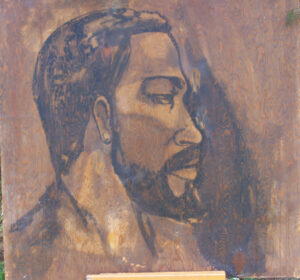
Nana Nat Turner
Warrior-builder (Kumawuhene Dwa)
Nana Nat Turner organized and led a major rebellion of enslaved Afrikans in the South. He was motivated by his sense of justice and the visions he saw in his dreams and in nature. He was able to inspire the people around him with his fiery words and passion. His actions terrorized the white slaveholders in the South, and gave the enslaved Afrikans a chance to rise up and fight their oppressors.
Warrior for Justice and Independence, Organizer
Nana Fannie Lou Hamer
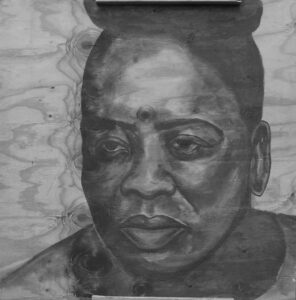
Nana Fannie Lou Hamer
Warrior Mother, Organizer (Mframmadan Dwa)
Nana Fannie Lou Hamer was a woman in the tradition of the strong women of the South who held their families together and joined the fight for justice at the same time. She organized Afrikans to resist oppression and fight for their civil rights. She helped organize an independent political party. She organized an independent farming collective for the Afrikans in Mississippi. She was a warrior for family, justice, independence and self-sufficiency.
Warrior Mother, Organizer, Champion for Justice and
Self-sufficiency
Nsamanfo Nana-nom
Nsamanfo Nana-nom
The most ancient and revered ancestors (Pantu Dwa)
These are the great and most wise of the old men and the women. These are the ancient ancestors whose names have not yet been revealed to us. These ancient ones have come to guide our efforts to reestablish the culture in the most authentic way. They have begun to come in increasing numbers, and greater intensity. They have come to us as warriors, builders, nurturers, protectors, teachers, healers, wise mothers, strong and brave fathers. They insist on righteousness, truth, order and productivity. They have come to help us in the effort to win true independence, to build strong nationalities that are committed to the culture and committed to its future. They have come to help reestablish Onyame Nhye-hyEe.
Okomfo Kwasi Panyin
Okomfo Kwasi Panyin
Okomfo (Priest) of Sankofa and other abosom; Odunsini (Healer). (Mmaa Dwa)
Okomfo Kwesi Panyin is an old ancestor who has had many incarnations. He has been many places and experienced many historic peoples and events. He is a very strong okomfo and Odinsini. He is does not tolerate lack of seriousness and truthfulness. As we know him, Okomfo Kwesi Panyin was born in Asanteman (Ghana) . He was actually chosen by the Asantehene in the late seventeenth century to be sent to the Americas among other enslaved Afrikans to reestablish the clan and the culture. He was taken captive and enslaved by the Europeans who carried him away during the last years of the 1600’s. He was active among the Afrikans who escaped enslavement to set up the Maroon societies in Jamaica. He was recaptured and brought to the USA in the early 1700’s. He consecrated the streams and Shrine hill in Nyansakrom. Okomfo Kwesi Panyin guided us to the property in late 1975. His shrine is still there, hidden in the forest. He is very important in the work of the Ankobea society.